June 16, 2026
Maintaining a residential home requires constant vigilance and proactive care from every dedicated homeowner. Small issues can quickly transform into massive structural headaches if left unaddressed for too long. The base of your home holds everything together safely.
When structural issues begin to surface, identifying them early can save you from catastrophic expenses. Homeowners often overlook subtle hints that their property gives them until severe degradation occurs. Seeking timely foundation repair ensures that your home remains safe and level.
Understanding the critical warning indicators remains crucial for protecting your valuable investment. Subtle shifts in your flooring or walls could point to deeper underlying issues. Recognizing these shifts allows you to take corrective action before structural integrity fails entirely.
A stable base ensures that your windows, doors, and roof remain aligned properly. When things begin to shift, the entire structure suffers from cumulative stress. Evaluating your home periodically prevents minor faults from escalating into total structural failure.
1. Notice Interior Wall Cracks
Fissures appearing in your drywall serve as common indicators of structural movement. These openings often manifest above door frames or where walls meet the ceiling. Homeowners frequently mistake these blemishes for simple cosmetic flaws resulting from natural settling.
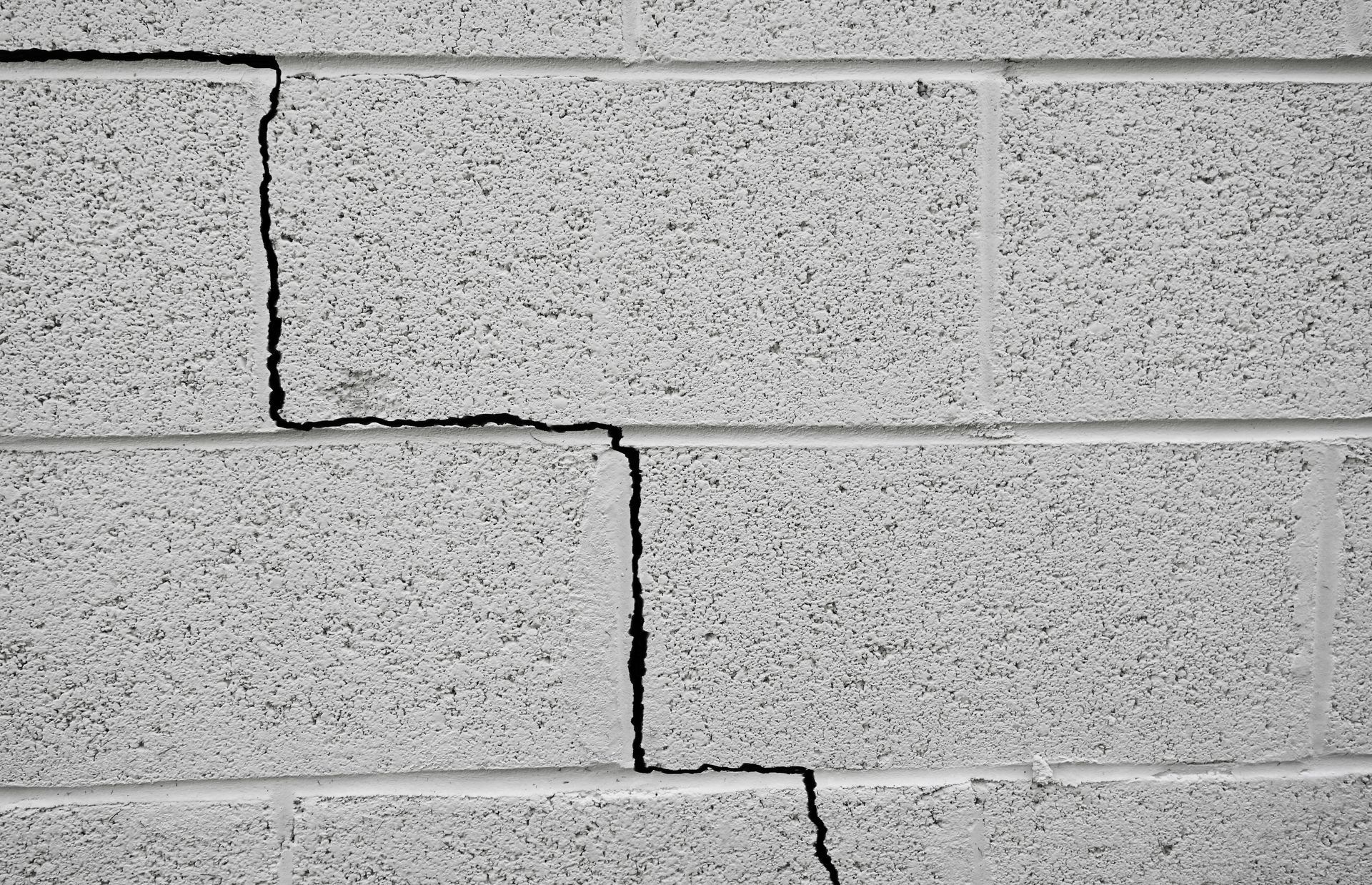
However, expanding gaps indicate that your home is undergoing significant stress. Vertical fractures might indicate minor settling, but diagonal or stair-step patterns suggest major movement. Addressing these developments immediately prevents further deterioration of your living space.
When you observe these splits widening over consecutive months, immediate action becomes necessary. Subtle shifts compound over time, leading to larger gaps that compromise your thermal insulation. Monitoring these developments closely helps determine the severity of the structural movement.
Investing in professional foundation repair resolves these cosmetic and structural issues simultaneously. Experts restore the alignment of your walls to prevent future fracturing in the same locations. This corrective action ensures that your interior finishes remain beautiful and intact.
2. Observe Sloping Floors
Walking across a room should never feel like trekking up a hillside. Uneven surfaces or sagging areas indicate that the underlying support structure is failing. You might notice furniture leaning or items rolling off tables unexpectedly.
This slanting typically happens when columns or perimeter walls sink into the earth unevenly. The uneven distribution of weight causes certain floor sections to dip dramatically. Correcting this requires specialized knowledge and specialized structural tools.
According to Bob Vila, slab foundation can be expected to last 50 years or more under ideal conditions. However, shifting soil and poor drainage can significantly shorten this estimated lifespan. Homeowners must remain proactive to ensure their property reaches its maximum potential durability.
Arranging for foundation repair can correct these unlevel surfaces by stabilizing the support piers underneath the house framework. Achieving a perfectly flat surface signals that your home is structurally sound again.
3. Check Sticking Doors and Windows
Doors that suddenly refuse to close smoothly provide another clear warning sign. You might find yourself forcing windows open or struggling to latch your front entryway. This frustration often stems from the distortion of the surrounding frames.
When the ground shifts, the rectangular openings for your portals warp into parallelograms. Even minor distortion prevents doors and windows from fitting into their designated spaces properly. This problem usually worsens during seasonal transitions when soil moisture fluctuates wildly.
Investing in foundation repair can resolve these alignment issues and restore smooth operation throughout your household. Proper stabilization pulls the frames back into their original configurations seamlessly. This restoration eliminates the daily annoyance of jammed entryways and sticking latches.
Furthermore, warped frames allow drafts to enter your living spaces, driving up your utility expenses significantly. Sealing the gaps provides temporary relief, but deep structural realignment offers the only permanent remedy available. Ensuring proper squareness keeps your home comfortable, energy efficient, and secure.
4. Inspect Separating Exterior Brickwork
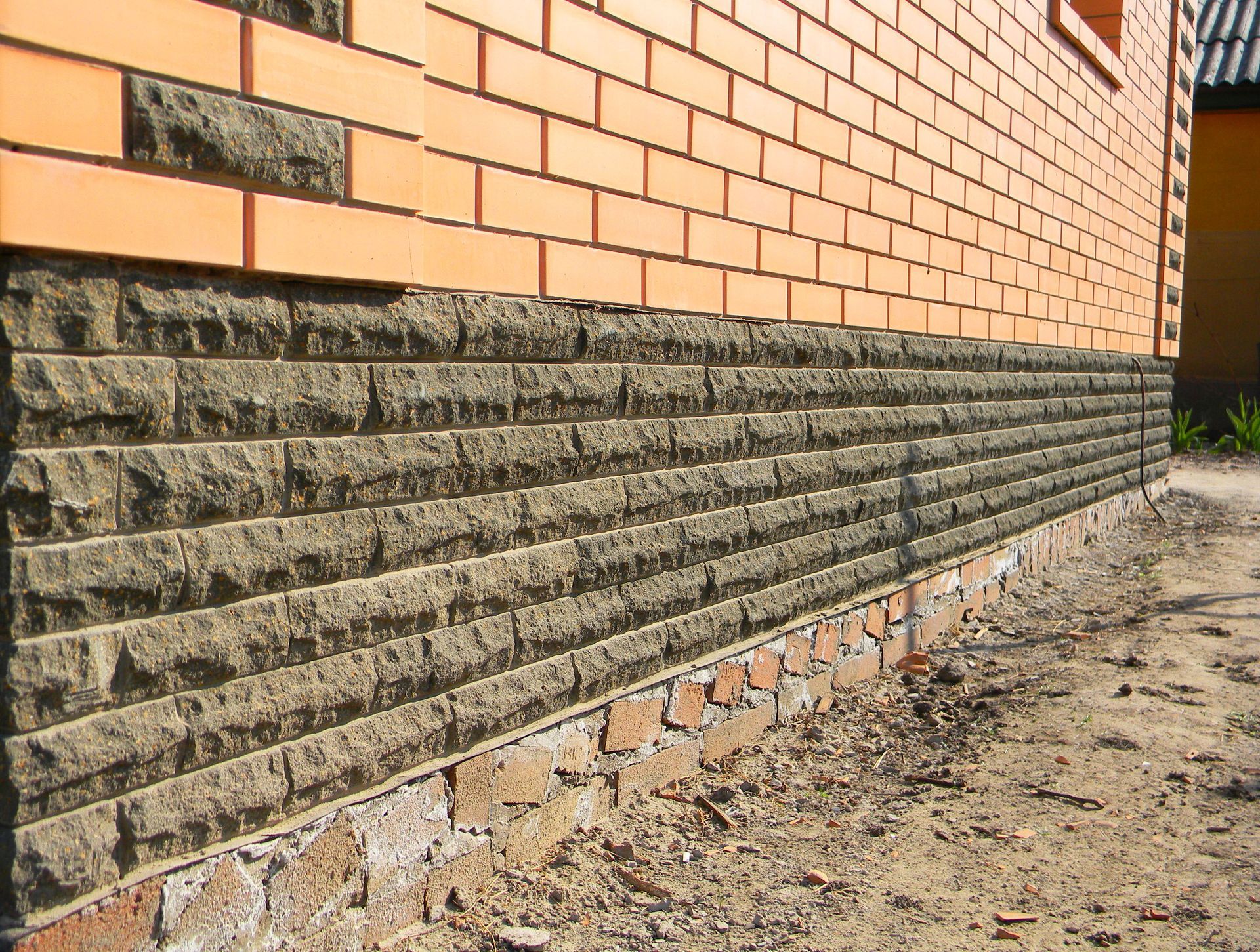
Exterior masonry provides excellent visual evidence of what is happening beneath the soil line. Look closely at the brick facades for zigzag fractures following the mortar lines. These stair-step patterns clearly demonstrate that one section of the wall is sinking faster than another.
You might also notice gaps opening between the brickwork and your window trim. This separation indicates that the exterior skin is pulling away from the internal framing structure. Left ignored, moisture will penetrate these openings and cause severe rot within the hidden walls.
Deflecting water away from your masonry serves as an essential preventative maintenance step. However, once the masonry splits, external interventions cannot rectify the deep structural imbalance. Resolving this issue requires stabilizing the earth beneath the heavy masonry walls.
A comprehensive foundation repair plan stabilizes the perimeter walls and closes these unsightly masonry gaps. Specialized hydraulic piers lift the heavy brickwork back to its original elevation safely. This precise intervention prevents water infiltration and restores the exterior beauty of your property.
5. Discover Bowing Basement Walls
Subterranean walls endure immense lateral pressure from the surrounding wet soil. When the earth expands, it pushes inward against your concrete or cinder block barriers. This relentless force causes the center of the walls to bulge or bow inward over time.
This bowing signifies that the lateral pressure has exceeded the strength of the wall construction. Without intervention, these walls could eventually suffer catastrophic failure and collapse entirely inward. Recognizing this inward curve early allows for the installation of reinforcement systems.
Stabilizing these barriers often involves utilizing heavy carbon fiber straps or steel beams. These materials anchor the wall securely, preventing any further inward movement from occurring. Homeowners must prioritize these reinforcements to avoid losing valuable basement square footage.
Here is a quick checklist of common basement warning signs to monitor regularly:
- Horizontal fissures running along the midsection of the wall
- White powdery residue indicates ongoing moisture penetration
- Inward tilting near the top of the masonry structure
Addressing these symptoms quickly protects the entire upper structure from experiencing severe alignment problems. Utilizing customized foundation repair options corrects the lateral instability before total failure occurs.
6. Monitor Unexpected Mold Growth
Excessive moisture penetration often accompanies structural shifting and settling issues. When your base cracks, groundwater easily seeps into your crawlspace or basement areas. This dark, damp environment provides the perfect breeding ground for destructive fungal colonies.
Fungal growth degrades indoor air quality and poses health risks to your family members. You might notice a persistent musty odor long before you spot the actual spores. Eradicating the spores requires completely eliminating the source of incoming water entry.
Utilizing foundation repair methods seals the entry points and keeps destructive moisture outside where it belongs. Professional solutions stop water from continuously wicking through porous concrete surfaces. Creating a dry environment effectively halts fungal reproduction and protects your wooden framing.
Consider the following steps to manage moisture and protect your home environment:
- Install high-capacity gutters to direct rainwater far away from your base
- Maintain a proper slope around the perimeter to shed water efficiently
Combining these drainage improvements with structural stabilization ensures comprehensive protection against future water damage. Your home will remain dry, healthy, and structurally sound for decades to come.
Concluding your property assessment requires taking definitive action to safeguard your family investment. Delaying necessary structural interventions only guarantees more expensive and extensive remediation work later.
Entrusting your property to qualified specialists ensures that your structural base receives the precise care it requires. Seeking timely
foundation repair protects your household from progressive structural degradation over time. For reliable, long-lasting stabilization and peace of mind, reach out to Permanent Foundation Solutions today.