September 5, 2026
Navigating home maintenance often brings challenges, but evaluating a foundation repair service involves examining key structural dynamics, underlying environmental causes, and long-term property stability. A home represents a significant financial investment, and maintaining its structural base is essential for preventing secondary damage, preserving overall property value, and securing peace of mind. Homeowners must examine how various physical symptoms develop, how professional technicians evaluate underlying failures, and how different remediation strategies are crafted. Recognizing how regional soil conditions, water drainage patterns, and materials impact structural integrity allows property owners to approach professional evaluations with clarity, confidence, and informed perspective.
Identifying the Symptoms of Structural Movement
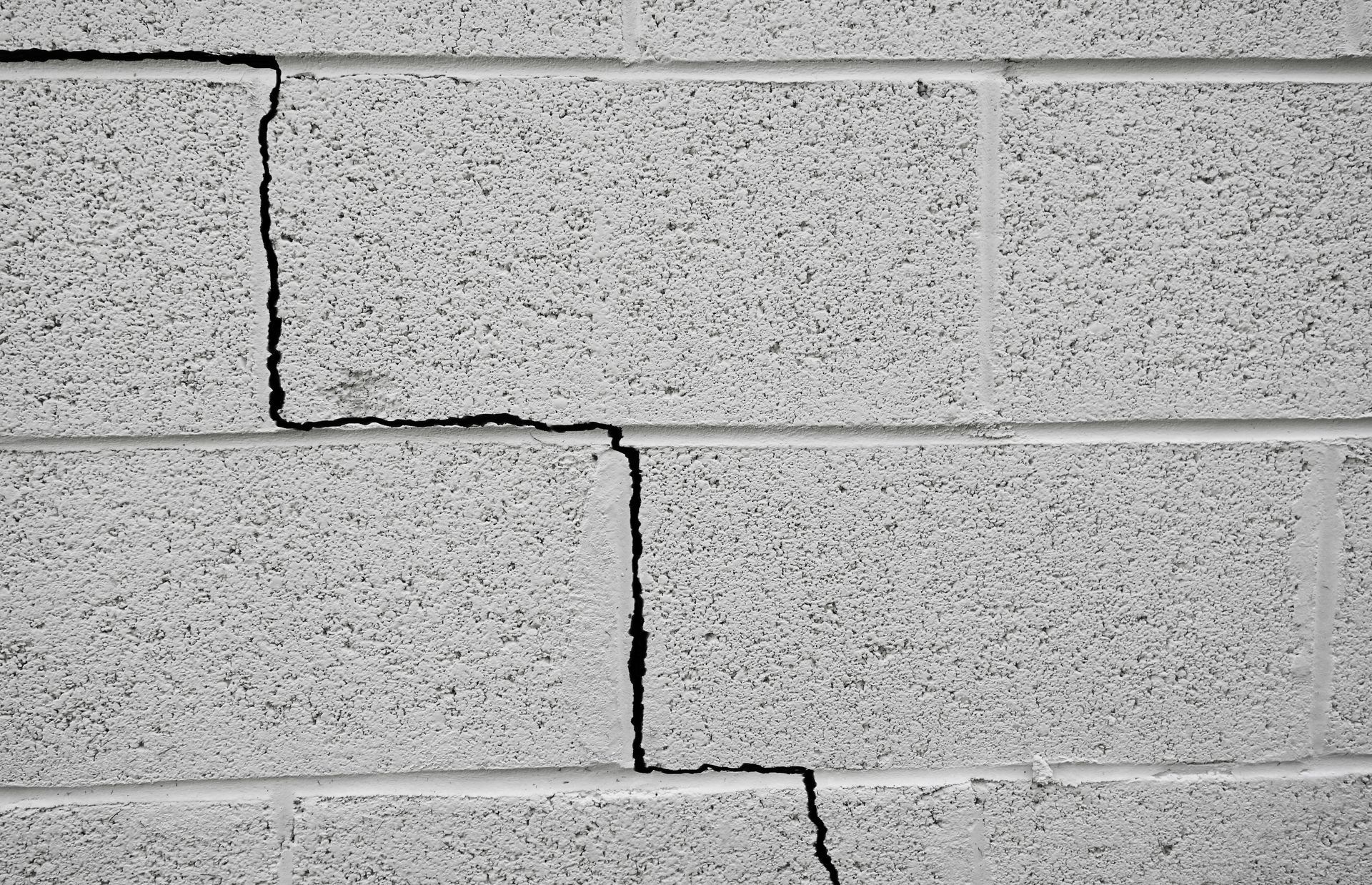
Early visual indicators throughout a residence often reveal subtle shifts within the underlying substructure. Wall cracks expanding near window frames, sticking doors, uneven floorboards, and exterior masonry gaps all point toward shifting subsoil or compromised load-bearing elements. Catching these warning signs early helps prevent widespread cosmetic and structural deterioration. Professional specialists evaluate these physical cues during an initial structural survey to determine whether natural settlement or serious failure is occurring. Prompt attention to subtle indoor signs keeps minor settling from turning into severe structural distress over time.
Evaluating Soil Conditions and Regional Factors
Soil composition surrounding a residential property heavily dictates how a structural base responds to environmental changes over time. Expansive clay soils swell significantly when absorbing groundwater and shrink during dry periods, creating continuous pressure cycles against concrete walls. Conversely, sandy soils can wash away under heavy rainfall, leaving hollow voids beneath a building footprint. Regional weather events, local water tables, and seasonal temperature swings constantly test subsurface materials. Unchecked moisture imbalances beneath a home can weaken the ground, making professional intervention necessary to prevent permanent structural instability.
Assessing the Differences in Material Integrity
The initial building material chosen for a home foundation establishes its long-term durability and resistance to environmental stress. According to Home Advisor, concrete slab foundations remain structurally sound for 200 years, while other foundation types deliver integrity between 75 and 100 years. Knowing these foundational lifespans helps property owners anticipate when aged materials might require modern reinforcement techniques. Poured concrete, concrete blocks, and pier-and-beam designs each respond differently to ground movement, moisture infiltration, and natural aging. Selecting tailored stabilization methods for specific materials protects the home and extends the overall life of the entire structure.
Examining Methods Used With Modern Reinforcement
Engineering options for structural stabilization vary based on the specific failure mechanisms identified during technical site surveys. Technicians frequently employ helical piers, steel push piers, or polyurethane foam injection to lift, level, and anchor settled structures back into position. Piering drives heavy steel deep into stable load-bearing soil strata, while mudjacking or foam leveling fills subterranean gaps directly beneath sunken slabs. Each specialized methodology addresses unique structural vulnerabilities while restoring essential support. Selecting appropriate stabilization methods ensures long-term structural resilience and protects surrounding property infrastructure from cascading secondary damage.
Analyzing the Impact From Water Management Failures
Poor exterior water drainage systems frequently accelerate structural deterioration by saturating the soil directly surrounding baseline walls. Gutters overflowing near exterior walls, improper lawn grading sloping toward the house, and faulty underground drainage lines allow water to collect near concrete footings. Excessive subterranean moisture increases hydrostatic pressure against basement walls, leading to dangerous bowing, cracking, and water intrusion. Implementing effective drainage strategies, such as French drains or extended downspouts, relieves this pressure and safeguards structural elements. Proper water diversion preserves soil stability and minimizes the risk of severe foundation issues.
Recognizing Accessibility Constraints Through Property Layout
Physical access to affected structural areas greatly influences how technicians plan, set up, and execute necessary remediation procedures. Tight crawlspaces, dense landscaping, surrounding patio decks, and buried utility lines can restrict heavy equipment access, requiring specialized manual techniques instead. Indoor repairs often involve removing flooring or working within tight spaces, which can lengthen project timelines and complicate labor execution. Site preparation efforts must balance property protection with technical requirements to ensure machinery operates safely. Careful planning helps work crews navigate physical barriers smoothly while executing precise repair solutions.
Reviewing the Scope From Secondary Structural Damage
When a home's primary support shifts out of alignment, secondary building components often suffer consequential structural strain throughout the property. Framing timbers twist, drywall fractures open, plumbing pipes shear, and rooflines sag as load distribution shifts unpredictably away from available support paths. Resolving root support issues is required before repairing superficial indoor damage; fixing drywall before stabilizing the base leads to recurring cracks. Comprehensive remediation plans prioritize primary stabilization first, ensuring subsequent interior and exterior cosmetic repairs remain permanent. Addressing structural root causes prevents recurring repair needs throughout upper living areas.
Understanding Labor Demands and Technical Expertise
Executing high-level structural reinforcement requires specialized engineering knowledge, certified equipment operation, and physical site labor under strict safety standards. Skilled field crews must meticulously excavate soil, place support piers, and monitor hydraulic lifting equipment to achieve precise structural stabilization. Engineering consultations, municipal permits, and structural inspections ensure all stabilization activities align with regional building codes. Complex structural tasks demand careful coordination among structural engineers, field technicians, and safety inspectors to ensure lasting stability. Experienced professionals handle these rigorous demands safely, protecting the home from dangerous structural movement during repair operations.
Inspecting Drainage Solutions Working for Long-Term Prevention
Installing interior and exterior waterproofing solutions protects reinforced structures from future water damage and soil shifting over coming decades. Sump pumps, vapor barriers, interior drainage channels, and exterior waterproof membranes keep subsurface water away from concrete surfaces. Preventing moisture intrusion stabilizes surrounding soil conditions, preventing future swelling or washing away around load-bearing footings. Combining physical structural reinforcement with comprehensive water management creates a multi-layered defense system that protects the home's value. Maintaining proper water management lowers long-term property maintenance demands and keeps structural bases dry and secure.
Comparing Long-Term Value Against Immediate Stabilization
Addressing structural issues early offers significant financial advantages over delaying essential repairs until catastrophic failure occurs. Unaddressed structural movement degrades overall real estate value, complicates property sales, and can lead to structural conditions over time that may not be covered by insurance. Proactively securing a professional foundation repair service resolves immediate structural concerns while preserving equity in a valuable real estate asset. Homebuyers routinely demand structural inspections, and a fully stabilized, documented substructure offers confidence during future property transactions. Investing in timely structural stabilization protects families, preserves home equity, and ensures long-term safety.
Deciding When Consulting Professionals Is Necessary
Homeowners should contact a qualified foundation repair service at the first sign of ongoing structural movement or growing wall cracks. Certified structural technicians perform detailed elevation measurements, assess soil conditions, and deliver customized action plans tailored to specific property needs. Prompt professional evaluations eliminate guesswork, preventing minor settlement issues from escalating into complex, widespread structural failures. Selecting an experienced foundation repair service guarantees that specialized equipment, proper engineering principles, and proven techniques are used. Expert guidance helps homeowners make informed decisions that restore structural integrity and ensure long-term peace of mind.
Choosing a Foundation Repair Service for Property Protection
Selecting a reputable foundation repair service ensures your property receives meticulous engineering, proper site management, and durable structural solutions tailored to local soil conditions. A proven company provides clear diagnostic reports, explains proposed technical methodologies, and adheres closely to all local building codes and safety regulations. Working with a dedicated foundation repair service gives homeowners confidence that their primary investment is on a secure foundation. Professional craftsmanship resolves active structural issues and protects the residence against future ground movement. Choosing experienced specialists ensures your home remains structurally sound, safe, and resilient for generations to come.
Evaluating the factors involved in a foundation repair helps property owners navigate structural maintenance with realistic expectations and clear goals. Understanding how soil types, material lifespans, moisture control, and technical accessibility influence structural stability allows homeowners to make informed decisions. Addressing warning signs early protects secondary building components, preserves property value, and prevents extensive, unchecked structural damage. Partnering with qualified engineering professionals ensures that structural stabilization is executed safely, effectively, and in compliance with code requirements. Timely structural care secures the home's primary support, providing safety and value for many decades. Are you seeking an experienced and knowledgeable foundation repair service in Converse, TX, and the surrounding areas? The team at Permanent Foundation Solutions has you covered! Call today to request an estimate for your next project.